Give EStudio a topic. Claude writes the script, Gemini (or you) gives it a voice, every caption lands on its word, and one of 67 explainer looks animates it, in 16:9 for YouTube or 9:16 for Reels, TikTok and Shorts.
Download EStudio for AndroidVersion 1.32.0 · 39 MB · Android 9 or newer
Five steps from a topic to a finished video. The AI writes; your device does the voice timing, the animation and the rendering, and keeps every file.
Claude pitches angles for it, or paste your own script and let Claude enhance and fact-check it.
Gemini says it in one of 72 voices and 6 styles, or record it yourself and upload the WAV.
Whisper and a forced aligner place every word on your voice, to within hundredths of a second.
Claude plans a storyboard you approve, then animates it in your chosen look, timed to every word.
Cut, reframe, add captions and a thumbnail, and save it to your gallery.
Every drawing, label and number appears on the word it belongs to. You approve the storyboard before anything is animated, and you can change the look at any time.
Claude reads your script and picks the look that fits it best, and tells you why. You can still change it.
Claude invents a look just for your script: colours, fonts, drawing and motion. Your device makes a 15-second sample first; approve it, ask for changes, or ask for another, and save the ones you like to My looks.
Claude marks the beats where a real photo explains better than a drawing. Haiku searches the web (current Philippine news too) and Wikimedia Commons, and you choose: approve, skip, find more, or upload your own.
Choose the shape when you start, or turn an explainer you have into the other shape. In 9:16 Claude lays everything out again for a tall screen (not a wide video shrunk into the middle) and keeps text clear of the zones where Reels, TikTok and Shorts put their buttons.

Tap any look to watch its 15-second sample. Each one has its own drawing style, motion, transitions and sound.
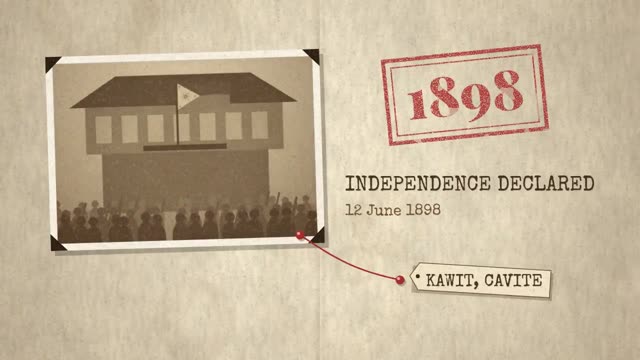
A historian's archive comes alive: sepia photographs develop on aged paper, typewritten captions clack in word by word, rubber stamps slam down the dates, and a red thread pins events to a timeline. Old maps are inked on, and the page turns between chapters. A documentary feel, made for Philippine and world history from the 1800s to the war years.
Good for: Philippine history from the Spanish era to independence; documentaries, timelines and turning points
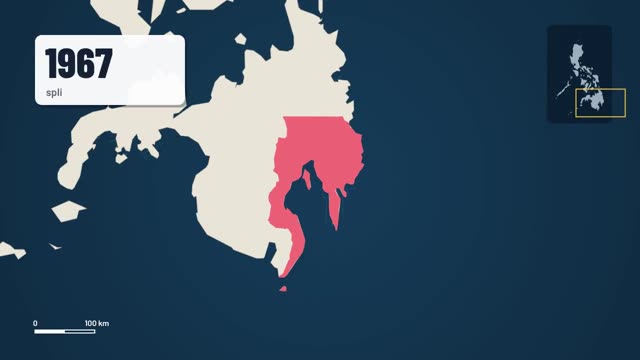
A modern atlas of the Philippines drawn from real map data: the camera flies from the whole country down to the provinces in the story, which fill with bold colours, split apart into new provinces or lift out, with labels on leader lines, renamed places struck through, years counting up, a scale bar and a mini-map. Made for how provinces, regions and cities were formed, split and renamed.
Good for: How Philippine provinces, regions and cities were formed, split or renamed; local history and geography lessons
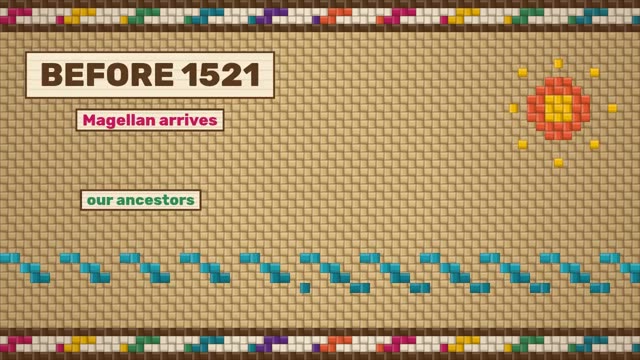
A Filipino woven mat comes to life: every picture is woven in cell by cell in bright banig colours of magenta, saffron, leaf green and sea teal, labels weave in strip by strip, and fresh strips sweep down between chapters. Boats, suns, jars and maps become woven patterns, and baybayin can be written large. Warm and proud, made for early Philippine history, culture and heritage.
Good for: Pre-colonial Philippines, culture, heritage, regions and trade; Filipino identity for all ages
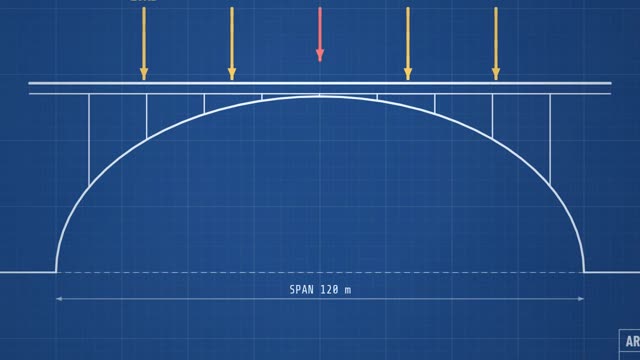
An engineer's blueprint drawn live: ruler-straight lines are drafted on as they are spoken, dimension arrows measure, boxed callouts name each part and bright arrows show how forces and flows move. The camera slides and zooms across one big sheet, so the drawing grows into a complete plan. Precise and satisfying, made for engineering, inventions and how-things-work topics.
Good for: Engineering, inventions, architecture, machines and how-things-work topics
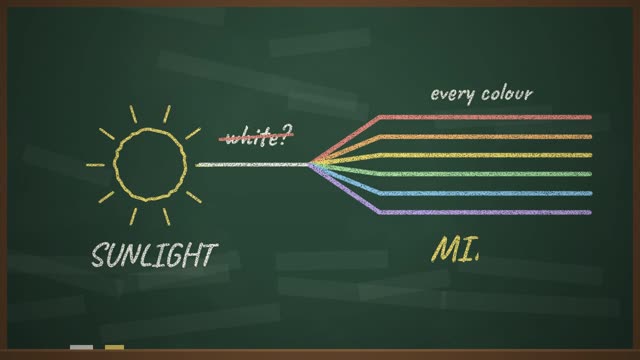
A teacher's chalkboard comes alive: every drawing, arrow and label is chalked on exactly as it is spoken, with rough grain and soft chalk colours. Diagrams build up line by line, numbers are written large, and a felt eraser wipes the board clean between ideas. Clear and calm, made for science, history and how-it-works topics.
Good for: Science, history, maths and how-it-works topics; school lessons
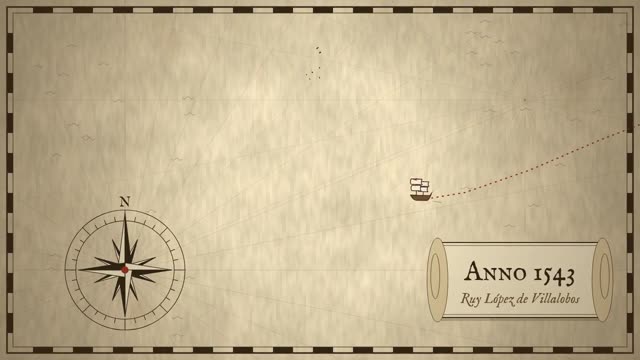
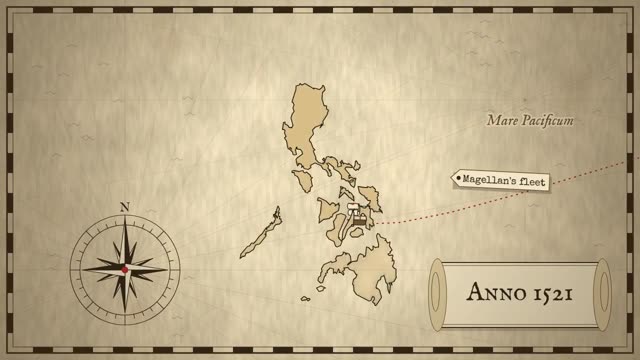
The story is told on one old hand-drawn chart of the Philippine islands: the camera glides and zooms across the parchment, coasts are inked with water lines, place names are lettered in by a quill, a little ship sails red dotted routes, and titles unroll in cartouches. Made for how places got their names, explorers' voyages and the map history of the Philippines.
Good for: How Philippine places got their names, explorers' voyages, and the map history of the islands
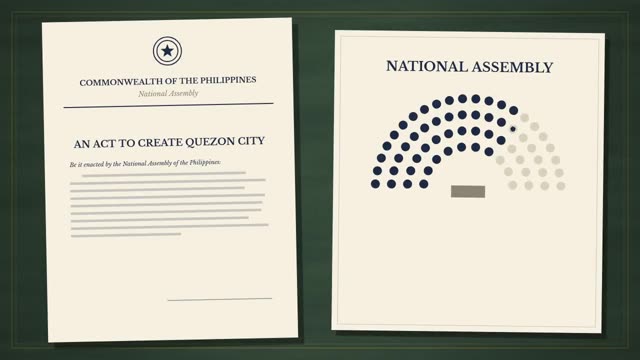
How something became official, told on the document itself: a law, proclamation or charter slides onto a leather desk and fills in as the story goes. The title prints on, key numbers are highlighted, PASSED and APPROVED are stamped, the date is typed, a fountain pen signs and a gold seal is pressed, while cards beside it show the chamber, the act number, the calendar date and a map diagram.
Good for: How laws, cities, provinces and holidays were approved; acts, proclamations and charters in Philippine history
A historian's desk where four Philippine history looks meet: an old hand-drawn sea chart of the real islands with quill lettering and red dotted voyages; places lift off it as modern atlas insets with a pin and the year; sepia photographs develop beside it with typed captions, red stamps and red thread; big moments are printed as black-and-red woodcut panels with slab headlines.
Good for: Philippine history stories that move between places and big moments: voyages and battles, revolts, where an event happened and why it mattered (one story that needs a map, a document and a dramatic scene)
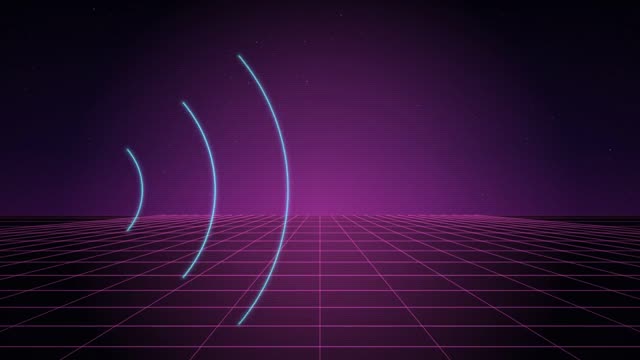
Glowing neon on a midnight grid: every icon, label and number lights up like a sign the moment it is spoken, signals travel as pulsing rings and streams of bits, and big numbers count up in bright light. The camera glides along the grid floor between ideas. Bold and modern, made for technology, internet, space and science topics.
Good for: Technology, the internet, gadgets, space and science
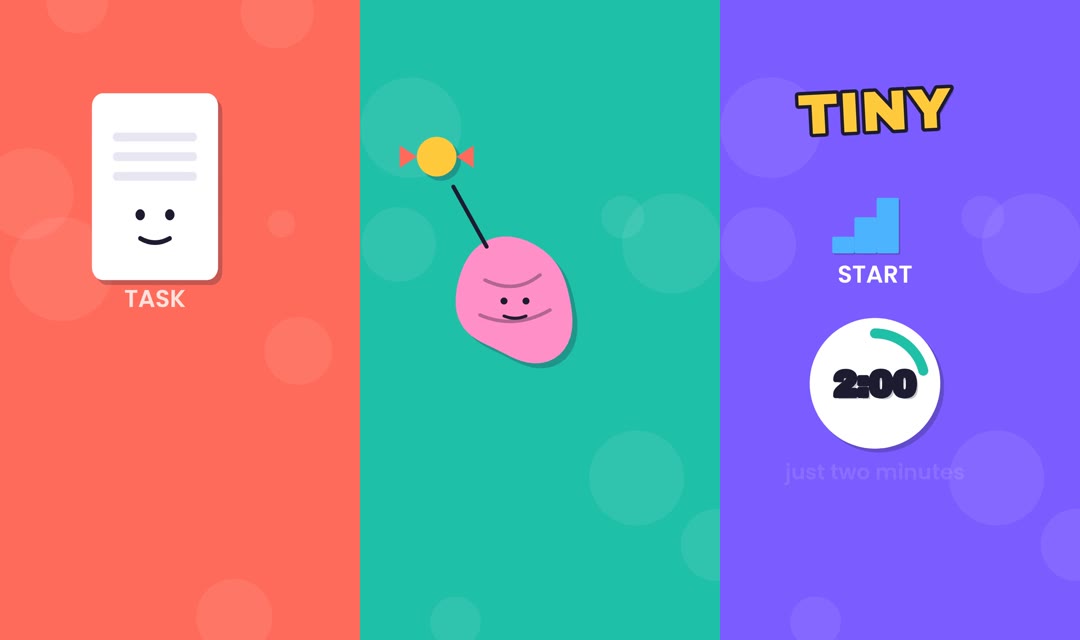
Big, bright and punchy: key words slam onto the screen the instant they are spoken, chunky shapes bounce and squash with playful faces, and every new idea bursts in on a circle of fresh colour. Short, catchy and easy to follow, made for psychology, self-help, lifestyle and quick-fact videos.
Good for: Psychology, self-help, habits, lifestyle and quick facts
A revolutionary broadsheet printed before your eyes: carved woodblock pictures in black ink with a second red ink, bold slab headlines and hatched shading. Each picture is rolled on with an inked roller on its word, banners are pressed down, and a fresh sheet slides in for every chapter. Strong and stirring, made for revolutions, heroes and the moments people stood up.
Good for: The Philippine Revolution, the Katipunan, heroes and protests; any story of people rising up
Big smooth camera moves through scale: the model pulls back until a million examples become a spiral galaxy, a foreground planet sweeps across as the wipe, and the camera dives into the glowing brain dome to emerge at a planet whose ring is the accuracy bar; arrows are chunky dotted rounded curves, numbers are big rounded Nunito.
Good for: AI, space, science and technology for curious viewers, kids and teens: cute characters, big numbers, bright cosmic scenes
One long sketchbook sheet the camera pans along; arrows are loaded round-brush strokes with pooled edges, labels and the counter are brush-lettered and re-written as they change, and red alizarin circles do the emphasis.
Good for: Nature, biology, history, culture and calm storytelling: gentle hand-painted lessons with charts, labels and notes
Told as a little shadow play: a mechanical owl puppet is fed picture cards on rods, guesses on a hanging tag, a teacher's hand corrects it and its cut-work gears re-set, then it climbs a ladder toward a filling moon; transitions are the medium's own (the owl flies at the lamp so its shadow fills the screen, the lamp is turned down and up, lace curtains close and part), arrows are growing hide vines and labels are punched plaques on strings.
Good for: Folklore, myths, legends (alamat), fables and old stories told like a candlelit puppet show
A marker in hand draws the diagram while the camera follows it across one big board; the felt eraser wipes the loop away (leaving ghost residue) to make room for the accuracy chart, and numbers are re-scrawled in marker.
Good for: Lessons, how-to guides, business ideas and step-by-step processes, drawn live with a marker
One continuous camera: the title shrinks to a header while the brain tile flies into place, labelled examples ride glowing lanes into the model, the camera pushes through the brain into its network (light-speed streaks), Guess/Check/Adjust chips light up as light pulses run forward and a red error pulse runs back, then the camera pans to a glowing accuracy chart and pulls back for the takeaway; numbers count up in gradient Space Grotesk with bloom.
Good for: AI, software, data, apps and modern tech explained with sleek glowing interfaces
One long cutting mat: the camera slides from beat to beat while flat printed templates fold themselves up into the robot, cards, bars and tent labels (on twos); arrows are creased paper strips that unroll along the mat, labels are tent tags dropped onto what they name, counters are printed tent cards re-posed each step, and the wrong guess gets a camera push-in and a red flag that pops and later spins to green.
Good for: Kids and families, science basics and playful lessons with cute folded-paper characters
Told as a 1940s newsreel / B-picture montage: spinning-newspaper headlines, iris, wipe and clock-wipe transitions, mugshot booking placards as labels, white newsreel arrows and lettering, a rolling mechanical odometer for numbers and a rubber stamp slammed down as the emphasis, all under heavy grain and gate weave.
Good for: Mysteries, true crime, investigations and history told as a black-and-white detective story
One MovingCameraScene: the question Writes on and Transforms into the header, a neural net Creates (edges blue/red by weight sign), pixel pictures fly into the input neurons as a counter climbs, a forward pass runs as ShowPassingFlash, the wrong "dog?" gets a red SurroundingRectangle, the camera pans to a loss curve where a dot descends while edges re-colour, then the axes relabel to accuracy, the curve climbs and the number Transforms into a 97% that Indicates.
Good for: Maths, physics, algorithms and data science: graphs, equations and step-by-step proofs
Three folios of a manuscript, the leaf turning between them: champ initials bloom in gold, the examples are bestiary roundels flowing along a penwork arrow into a Brazen Head, the learning loop is a wheel of Guess, Check and Adjust where a marginal beast points out the error and the scribe corrects it in red, and accuracy rises as gilded bars until 97% turns to burnished gold.
Good for: Medieval history, religion, literature, legends and old wisdom on a gilded manuscript page
Scenes are joined by fast blurred camera whips that hide the cut, plus a new paper sheet slid up on steps; arrows are thin ink route lines and red marker, numbers are re-cut condensed numerals on paper strips, and the emphasis is the yellow highlighter sweep (plus a red marker ring and cross on the wrong guess).
Good for: Video essays, culture, media, history and commentary in a cut-and-paste newspaper collage
A descent through the midnight zone: the question forms from gathering plankton, cat and dog swarms ride a glowing current into a jellyfish model whose nerve net is its weights, the error ripples back through the net in magenta, accuracy climbs a siphonophore chain to a plankton bloom-burst, and transitions are a descent, a sweeping plankton bloom and an anglerfish lure lighting new water.
Good for: Ocean life, biology, nature and calm, wonder-filled science in a glowing deep sea
Told as a keynote launch film around one hero object (the model, a glass-topped chip): one continuous studio camera that orbits and pushes between beats, hairline callouts and arrows for flow, a clean red strike for the wrong guess while the chip’s inner layers light up backwards to adjust, a giant violet-to-orange 97% with a glow bloom and gleam, and a light-sweep wipe to a pristine white stage for the tagline.
Good for: Products, gadgets, features and business launches with a premium keynote-style reveal
One long isometric factory floor (data shelves → conveyor → glass-top neural machine → monitor → bar chart) that the camera glides along beat to beat, with white label tags pinned to objects, curved dashed connectors, a counting billboard and an accuracy tag riding the newest bar.
Good for: Systems, processes, logistics and how things flow, shown as a soft isometric miniature world
Scenes change by re-registering the plates — yellow, pink and blue slide off and the next scene's plates slide in one drum pass at a time — with dotted blue flow arrows, pink error arrows and scribbled circles, and counters set in big two-plate zine type.
Good for: Culture, music, design, indie topics and quirky facts with a bold printed-zine feel
Animated on twos on one clay set: every piece is a baked plasticine lump that the "animator" pops on with squash-and-stretch, slides along the table or knocks off so it falls out of frame; arrows are rolled clay coils, labels and the counter are pressed clay letters re-sculpted each time the number changes, and the wrong guess gets a red clay X slapped on with a shake.
Good for: Kids, family, food and playful science in a handmade stop-motion clay world
One long brick wall the camera whip-pans along: every beat is a new neon sign that buzzes on tube by tube, arrows are segmented chase-light tubes that ignite toward their target, numbers are neon digits re-lit as they change, and the emphasis is a blinking red tube with a ring.
Good for: Music, nightlife, pop culture and entertainment, glowing like neon signs on a brick wall
A chibi robot mascot acts the lesson out with anime reaction grammar (swirl eyes, sweat drop and "!?" on the wrong guess, star eyes and confetti at 97%); scenes change through star and heart iris wipes, connectors are dotted candy arrows, and the counters are bouncing outlined numerals.
Good for: Kids, pets, cute topics and light science for anime fans, sweet and colourful
An emaki handscroll unrolled right-to-left: golden kasumi clouds divide the scenes, a river of labelled prints floats to an Edo karakuri automaton, flow is drawn as currents with claw-foam heads, the learning loop is a Naruto whirlpool, numbers sit in paper cartouches and every judgement is a vermilion seal stamp.
Good for: Asian history and culture, legends, travel and calm storytelling along a painted handscroll with waves and Mt. Fuji
A teacher-style lesson on one long slate: a chalk stick writes and draws while the camera tracks along the board (the hook is left behind, the chart is on the next stretch of board), arrows are dusty chalk strokes, numbers are re-chalked as they count, and pink chalk rings the key moments.
Good for: School lessons, math and science basics, reviewers and step-by-step how-tos drawn in chalk like a real class
One long paper diorama the camera pans along on parallax; arrows are cut-paper strips that grow, labels are paper tags dropped onto what they name, numbers are swapped cut-out digit tiles, and emphasis is a paper ring or sunburst popping up behind.
Good for: Kids' science, nature, space and bedtime-style lessons with soft cut-paper layers at night
Told as a scrolling newspaper story: the page scrolls panel to panel under a sticky serif header, hand-drawn Caveat arrows and rings carry the cause and emphasis, a waffle chart and set numerals count the data, and the accuracy line draws itself like the still.
Good for: News explainers, statistics, survey results and data stories told like a newspaper's interactive article
The camera dollies along one long studio table: every prop folds up from flat paper, arrows are creased paper arrows lying on the table with the label printed on them, numbers are printed on tent cards that refold, and the wrong guess gets a camera push-in and a key-light flare.
Good for: Simple product or process explainers, kids' lessons and friendly tech basics with folded-paper models
Each beat is a newly carved block pulled as a fresh proof that peels back over the last one; arrows are gouged channels (the error path printed red), counters are carved numerals re-cut on twos, and emphasis is the printmaker's own pencil circle and margin note.
Good for: Bold opinion pieces, history, protest and social topics with punchy carved-print posters
One long voxel island the camera trucks along while each zone is rebuilt from falling voxels; arrows are chains of little cubes, cards and the ✗/✓ verdict are real voxel pixel-art, the robot’s chest equaliser re-levels as its weights adjust, and numbers tick in Silkscreen on extruded block tags.
Good for: Games, coding, Minecraft-style worlds, city building and kids' tech lessons on a voxel island
Told along a handscroll the camera unrolls, with mist drifting across between scenes; arrows and the chart are single loaded brush strokes that run dry, labels and numbers are ink-written in place, and vermilion strokes and seal stamps do the emphasis.
Good for: Philosophy, mindfulness, poetry, Asian history and calm reflective lessons in brush ink
Told as one celestial chart overlaid on deep space: the model is a ringed planet whose moons are its weights, cat/dog examples arrive as constellation-headed comets, a warp streak changes scene, the guess is a chart beam to a labelled star that turns red with a red ring marker, the weights’ orbit visibly tilts, the camera tilts up to an atlas chart where the accuracy constellation forms and flares at 97%; numbers are big Syne figures over graduated sextant scales.
Good for: Astronomy, space, physics and big-picture ideas mapped like constellations in deep space
One large drafting sheet: a plotter head inks crisp white line-work and stencilled lettering while the camera tracks across and then down the sheet to the chart detail; the model is a gear-and-knob mechanism whose dials turn, arrows are drafted leaders, and numbers tick over in mono lettering inside dimension-style callouts.
Good for: Engineering, machines, inventions, how-things-work and technical processes drawn as blueprints
A continuous camera flight through one faceted valley (overview → river of labelled example cards → floating crystal model whose facets realign → pillar chart on a plateau → pull back), with angular two-tone ribbon arrows, cut-corner tags pinned to objects and Space Grotesk counters.
Good for: Geography, nature, outdoor and adventure topics, and journeys through a stylized 3D landscape
A three-page manga: panels slam in on twos, page turns carry the story, bold outlined arrows and katakana SFX (ドドド, ブー, カチカチ, ピンポーン, グングン) mark cause and effect, numbers count in narration boxes, and focus-line bursts hit the key beats.
Good for: Stories with a character, anime fans, school topics and dramatic step-by-step lessons as a manga page
Every beat is a new proof: the finished sheet is lifted off the press and a fresh one is laid down, then wood type, stock cuts of a cat and a dog, and arrows set from short rule pieces lock up block by block with a kiss of the platen; counters are re-set and re-stamped six times a second, and the wrong guess gets a red rubber-stamp WRONG.
Good for: Announcements, quotes, history and short punchy messages set in big wood type
Each beat is a fresh live long exposure: the wand traces doodles, arrows and handwriting with its glowing tip, orbs leave arcing light trails into the network, numbers come from an LED pixel-stick, the emphasis is a traced ring with a spark burst, and between beats the camera whip-pans so every trail smears into streaks.
Good for: Music, nightlife, energy, AI and futuristic ideas drawn in glowing light trails
The camera pans along one long patchwork quilt; felt pieces drop on with a lifted shadow and soft squash, arrows and emphasis rings are thread sewn on stitch by stitch, labels are woven tags stitched onto what they name, the counter is cut felt digits swapped as it climbs, and the model's weights are buttons whose thread-X turns when it adjusts.
Good for: Kids and families, crafts, cozy home topics and gentle lessons stitched in felt
Explains as a live terminal session: the typed question scrolls away and lives on in the inverse-video status line, a labelled data log streams into a box-drawn MODEL, V-hold rolls carry us between screens, arrows and the error path are phosphor line-drawings, and counters are big VT323 numerals that flip in inverse video for emphasis.
Good for: Programming, hacking and cybersecurity, computer history and command-line tech topics
The camera glides and zooms across one big frosted dashboard (data feed → network card → output chat → accuracy chart → pull back) while the live colour blobs drift behind, so every panel re-frosts as it moves; connectors are glowing gradient lines with travelling light dots, labels are glass pills, numbers count in big Inter 800.
Good for: Apps, startups, product features, UI/UX and modern software demos on frosted glass panels
The lesson is a journey on the network: the camera rides along a Data Line into the Model interchange, round a Training Loop line (Guess, Check, Adjust stations) and out along an Accuracy Line, while an amber dot-matrix departure board counts examples and accuracy and finally flips to the takeaway.
Good for: Processes, roadmaps, timelines, learning paths and any "how you get from A to B" story as a metro map
A run of hand-painted posters: each scene change is a fresh coat of cream swept across the board before the next poster is painted flat colour by flat colour; arrows are flat poster arrow shapes, numbers are repainted in the lettering band, and an orange starburst stamps the key moments.
Good for: Travel, tourism, places, industry and local history in vintage hand-painted poster style
A cafe-table pitch: the camera starts tight on the scrawled question then pulls back to the napkin; when a napkin is full a fresh one is slapped down on top of the pile (with a red Sharpie for the wrong guess and the 97%), arrows and numbers are fast Sharpie scrawls that feather into the tissue.
Good for: Business ideas, startup pitches, quick plans and brainstorming sketched on a café napkin
A gilded picture-palace sequence: scenes change behind closing and opening gold elevator doors, cameos glide on a gold rail with cream name plaques, arrows are stepped chevron arrows, numbers roll on an odometer and fill a sunburst gauge, and the key moments get a spotlight ring or a beacon glint.
Good for: Luxury, film and entertainment, 1920s history, awards and elegant brand stories in gold Art Deco
A radiologist working a lightbox: scenes change by pulling films down and slapping new ones up under the clips, arrows, circles and answers are grease pencil on the glass, the counter is typed by the ID flasher and accuracy is rewritten round by round, with masking-tape labels for the header and takeaway.
Good for: Health, anatomy, medicine and "what's inside" explainers on a doctor's X-ray lightbox
A Vienna-Method picture-statistic told across one long chart sheet the camera pans along: symbols are stamped in stepped 12 fps timing, flat Isotype arrows show flow, numerals are stamped and re-stamped, and accuracy is counted in rows of tick symbols with partial symbols for fractions.
Good for: Population, survey and census numbers, comparisons and statistics shown as rows of picture symbols
The camera dollies across one wide pastel set with parallax depth-of-field (cards → clay chip with weight sliders → answer bubble → clay bar chart → pull back), arrows are puffy clay tubes with blobby heads, labels are squishy pills that spring onto objects, and numbers count inside butter-yellow clay badges.
Good for: AI assistants, apps, cute tech and friendly product explainers in soft pastel 3D
Agitprop sequence: Lissitzky's red wedge drives across the sheet between scenes, slogans and labels slam onto slanted bars on twos, arrows are heavy bars with wedge heads, the counter is stencil-tall Anton, and the key moments get a stamped red cross or a burst of beams.
Good for: History of revolutions and movements, politics, propaganda and bold calls to action
Three plates from a naturalist's folio, each pulled fresh under the press roller: engraved specimens of cats and dogs feed the circuit-lily "model", a life-cycle plate with fletched engraved arrows shows Guess, Check and Adjust, and a growth-stage plate counts accuracy in an engraved cartouche, with the colourist's red wash ringing the key moments.
Good for: Biology, plants, nature, growth and scientific classification drawn as a naturalist's plates
Words slam in on the beat and do the explaining; scenes change with a slice-glitch tear and a whip-pan, arrows are heavy rules with chevrons, labels are inverted mono tags that drop onto their targets, and the counters are huge Anton numerals with a strobe-flash on the key hits.
Good for: Short punchy explainers, quotes, motivation and social-media reels where the words do the talking
A glossy millennium interface explains it: the model is a living mercury blob that liquid-morphs to a new spot at every scene change while frosted-glass panels swoosh in and out, arrows are iridescent ribbons, labels are glossy pills, and the counter and 97% are inflated chrome bubble digits.
Good for: Y2K and internet culture, music, gadgets, fashion and retro-future tech in liquid chrome
A detective-board camera move across one big cork wall: notes slap in on cue, marker arrows and red yarn draw the flow, numbers are crossed out and rewritten by hand, and red marker circles the key moments.
Good for: Mysteries, investigations, brainstorming and connecting clues or ideas on a cork board
The viewer reads the paper: the camera tracks from the banner headline down to a By-the-Numbers infographic, the page physically turns to an inside Science spread whose diagram, chart and pull quote carry the rest; arrows are crisp newspaper-diagram rules, numbers are set in Oswald, and emphasis is a reader's red grease-pencil ring.
Good for: History, past events, "on this day" stories and old news told as a vintage front page
Learning is shown as descent over the hidden-line “loss landscape”: the camera flies the mesh from a data-feed HUD streaming into the wireframe-sphere model, down to an amber “model weights” marker whose error becomes a dashed downhill vector, then follows it into the glowing basin; labels are bracketed HUD tags that type on, numbers are big Space Mono readouts.
Good for: Math, 3D, physics, machine learning and anything shown as surfaces and landscapes in wireframe
Memphis cut-out animation on twos: examples hop into a funnel-topped totem computer, scenes change with a striped polka-dot band that swipes across, arrows are fat outlined shapes with hard shadows, counters are stickers that pop on each tick, and the key moments get a spinning starburst.
Good for: Fun lessons for teens and kids, pop culture, trends and playful 80s-style explainers
Doodled down one long college-ruled page: the pen draws while the camera scrolls along and then down the page, headings are bubble letters with crosshatched shadows, boxes get hatched drop-shadows, a red pen marks the wrong guess, and counters are re-inked in bubble numerals.
Good for: Student notes, reviewers, homework help and study tips doodled in ballpoint on ruled paper
The loss landscape is literally the map: survey points (examples) raise the terrain, a red hiker guesses, checks the slope and steps down a dashed switchback trail while the camera pans along it, and accuracy is lettered in a map cartouche like an elevation figure.
Good for: Geography, mountains, maps, surveying and "finding the lowest point" ideas on a contour map
Told as a vector-cabinet HUD: the question shrinks into a red corner readout, labelled wireframe cards stream into a spinning icosahedron core, a hyperspace-style zoom carries us into a lock-on loop (GUESS > CHECK > ADJUST with brackets, red error beam, turning weight dials), and the stroked accuracy graph climbs to a flashing 97%.
Good for: Video games, retro computing, arcade history and tech explained on a glowing vector screen
The camera travels along one long patent sheet as FIG. 4–6 are inked stroke by stroke: ruled arrows and leader lines tie labels to parts, odometer drums count the examples and the accuracy, and an examiner's red pencil rings the wrong guess and the 97%.
Good for: Inventions, how a machine works, patents and the history of an idea drawn as patent figures
A pencil works across a wide sketchbook spread (faint construction pass first, then a firm contour, crescent hatching for form) while the camera follows, then the page physically turns to a fresh sheet for the progress chart; numbers are pencilled and re-pencilled as they count.
Good for: Art, design, ideas being worked out and thoughtful lessons sketched in pencil
Each beat is its own silkscreened panel, pulled in order (flood, loose colour shapes, squeegee drags the black screen) while the camera travels the grid; black arrows are painted across the gutters between panels, counters are stencil type, emphasis is a colourway flicker, and the final pull-back reveals all six beats as one Warhol grid.
Good for: Pop art, music, culture and bold short explainers printed as bright silkscreen panels
A Zürich-school information sequence on the same 12-column grid: the headline shrinks into a running header, pages change with a column-by-column red wipe, hairline rules with solid heads carry cause and flow, numbers count in Inter 800 and the key result gets a red block slammed behind it.
Good for: Clean professional lessons, business, design and data presented in strict Swiss-grid typography
Picture-by-picture videos for stories, history and facts.
Claude plans every picture against your voiceover and writes the prompts for Google Flow, Gemini or ChatGPT; you make them and pick them from your gallery.
Reference sheets for each character and recurring place, so people and places look the same in every picture.
Claude chooses the music mood, motion sounds, place ambience and effects on key words, all timed to the narration. Switch any of it off.
Your script, said well, in English, Tagalog or Taglish.
Grouped like AI Studio (Tutor, Podcast, Storyteller, Commercial and more), including Filipino voices, each with a sample to listen to first.
Natural, Narration, Podcast, Friendly, Promote and Whisper, or describe your own. Expression tags add pauses, laughs and emphasis where you want them.
Claude marks hard Tagalog words so they are pronounced properly, and you can teach it how to say any name.
Every word lights up exactly when it is spoken. Pick a style, change its font, colours and position, and save your own: they follow your account.

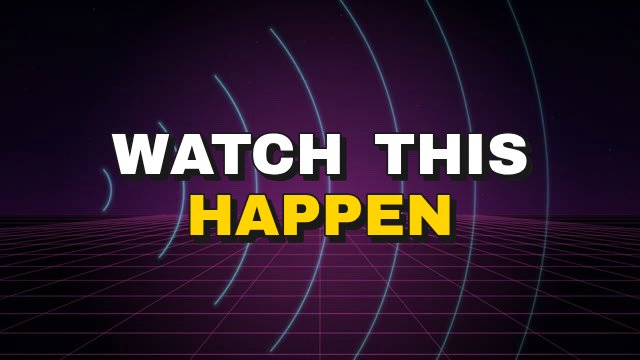
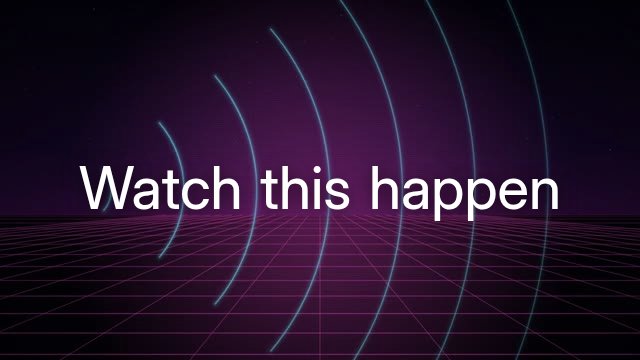
Heavy white caps, black outline; the spoken word pops in yellow.

The whole line shows; words fill with colour as they are said.

Words appear one by one, as they are said.

One huge word at a time, punched in. High energy.

Geometric caps with a coloured glow on the spoken word.

Chunky caps with a stacked 3D shadow; the spoken word jumps.

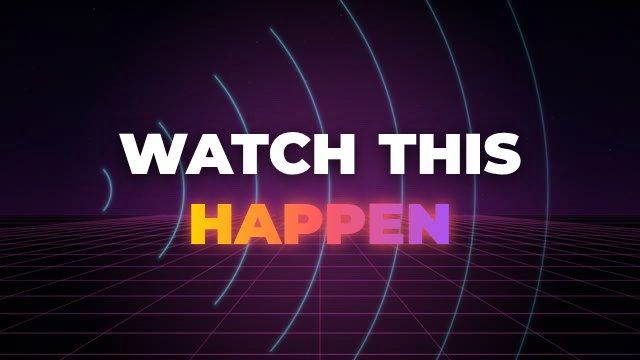
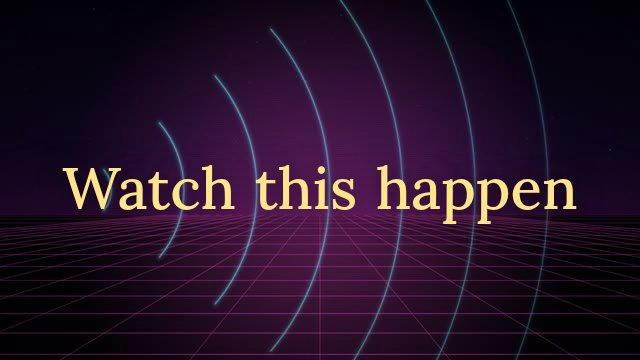
Bold caps; the spoken word glows in a sunset gradient.

Huge condensed caps in three colours, punched in. Maximum energy.

Sentence case, soft shadow; words light up as they are spoken.

Quiet lowercase that rises in. For calm, aesthetic edits.

Lowercase handwriting with a soft shadow; the spoken word in soft yellow.

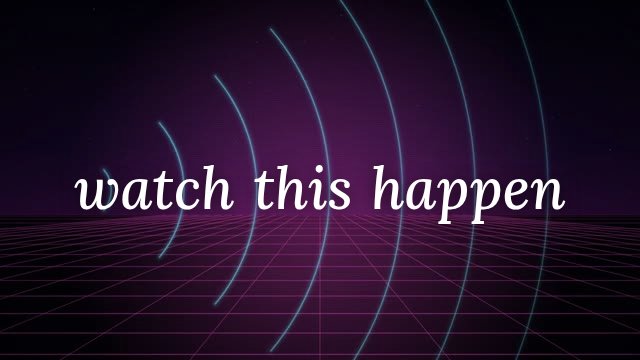
Italic editorial serif. Fashion, beauty and calm storytelling.

Small sentence-case sans, soft shadow. The calm default.

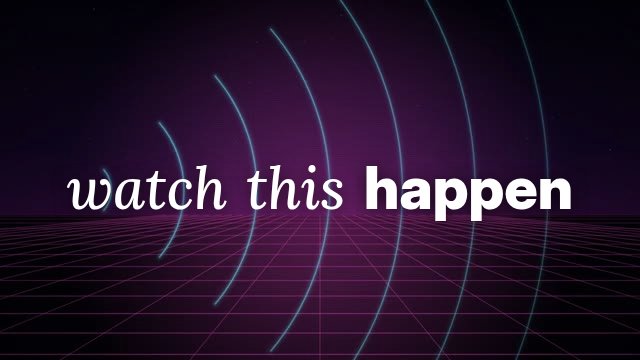
Serif italic; the spoken word in sans.

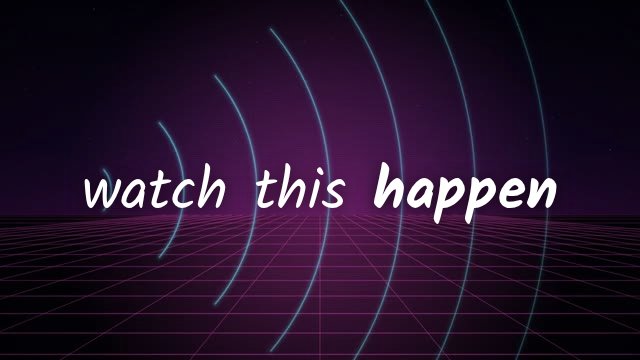
Lowercase handwriting; the spoken word in bold.

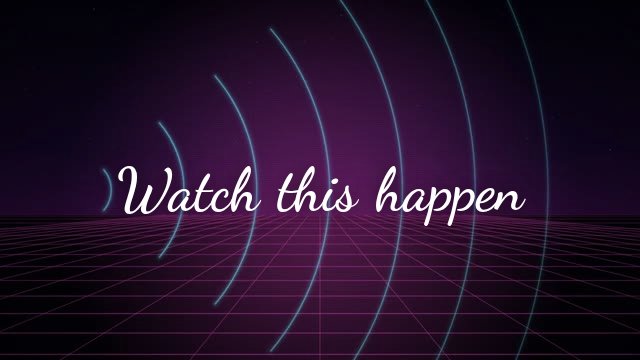
Flowing script with small bold words.

Soft yellow film subtitles in a serif.

Soft serif lines; each word comes into focus as it is said.

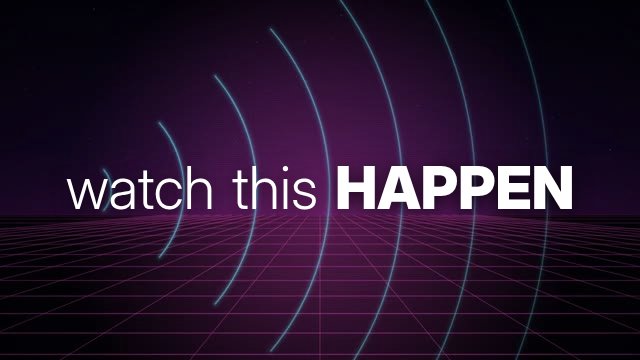
Light words; the spoken word in bold caps.

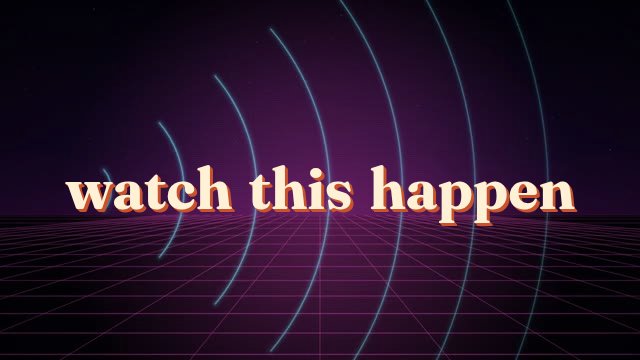
Soft 70s serif in cream with a warm shadow.

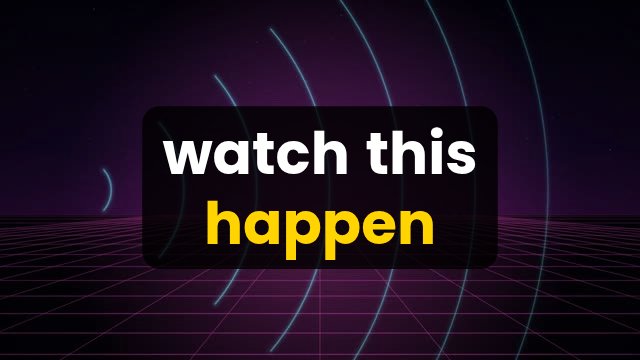
White words on a rounded black card; the spoken word in yellow. Reads on any background.

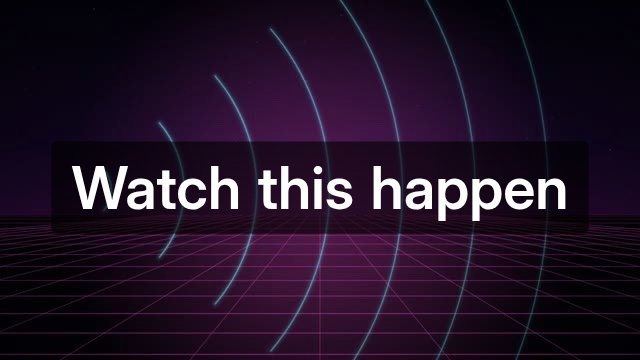
Classic subtitles on a dark box. Calm, and easy to read for long videos.

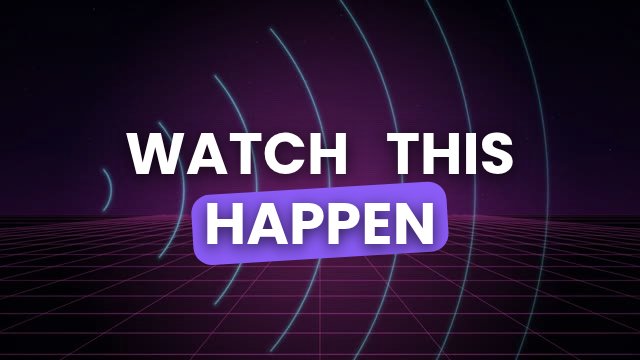
The spoken word sits on a tilted colour pill.

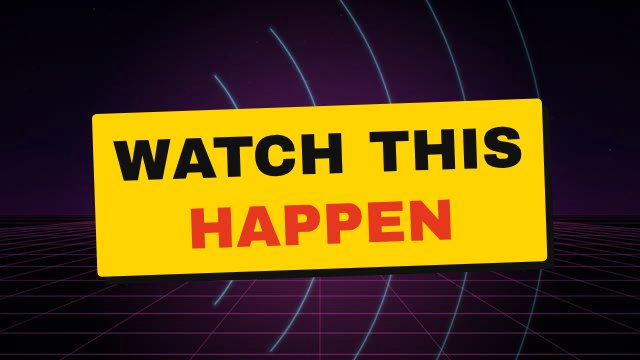
Black on a tilted yellow panel with a hard shadow.

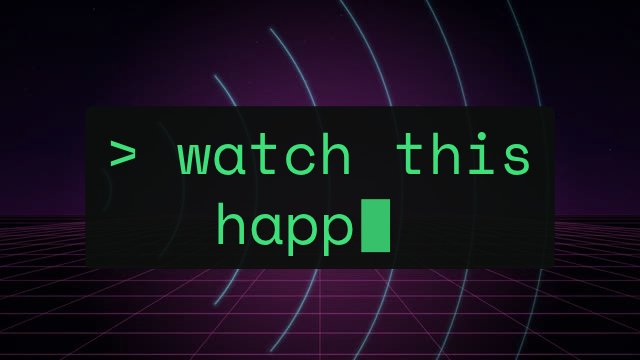
Mono on a dark strip, typed on.

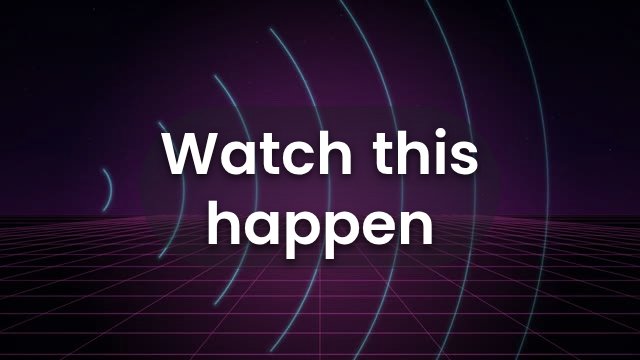
Sans on a see-through pill. Clean, modern.

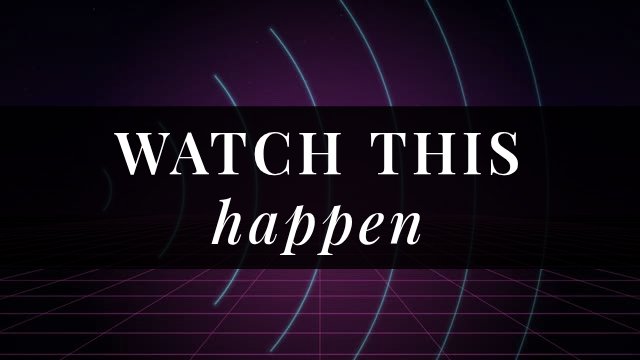
Fashion caps on a black band; the spoken word in italic.

A highlighter swipes the spoken word.

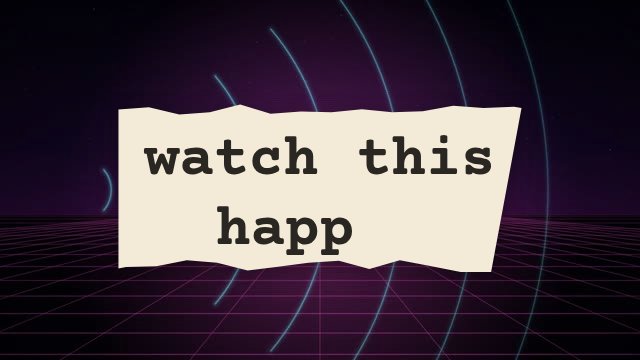
Typewriter on torn paper, typed on.

Mono caps on a white label. Minimal, polished.

Rounded words on a white sticker; the spoken word on colour.
A CapCut-style editor built in, in landscape, right on your device.
Split, trim and remove any part; tap words on the caption track to select a sentence.
16:9, 9:16 or 1:1, on a blurred or black background.
Drag captions anywhere; they snap to the centre and the lower third, and the app's button zones are shown.
Correct a word's spelling or nudge its timing by a hundredth of a second.
Pick a frame, add a title in the look's fonts, and save 16:9 or 9:16 thumbnails.
Fade in and out, then export and save straight to your gallery.
Renders and voiceovers keep going while you use other apps; a notification shows what is happening.
If the internet drops or your usage limit runs out, the job waits and continues; work the AI already finished is never asked for again.
Scripts, voices, pictures and videos are kept on your device; only the AI steps go to the server.
For Android phones and tablets. Free to install; you sign in with an invite code from the owner.
Download EStudio for AndroidVersion 1.32.0 · 39 MB · Android 9 or newer
An Android device (Android 9 or newer), an EStudio account (invite code), and a Claude account for the writing. A free Gemini API key is optional, for the AI voice.
EStudio is shared directly with friends for now, so it installs from this page. Updates arrive inside the app.
On your device. Finished videos are saved to your gallery (Movies/EStudio).
Each picture shows its licence. Free and share-alike pictures need the credit line EStudio gives you; copyrighted news photos need the owner's permission and are hidden unless you ask for them.